When America Can't Sleep, the Search Bar Knows: A Look Inside the Overnight Feed
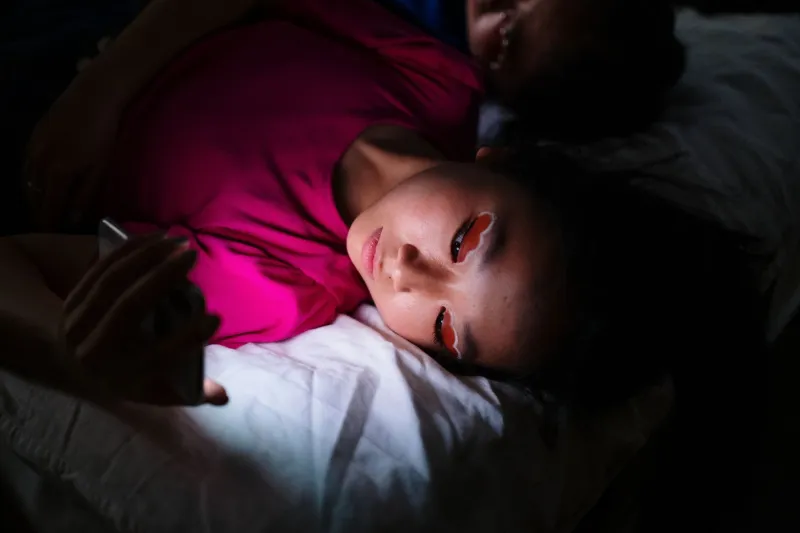
There's a version of you that only exists after midnight. The lights are off, the phone screen is the only glow in the room, and your thumbs are doing something your daytime self would never approve of. Maybe you're forty minutes into a documentary about competitive snail racing. Maybe it's a nine-hour compilation of rain sounds layered over someone whispering about vintage typewriters.
Whatever it is, you're not alone — not even close. The overnight hours have quietly become one of the most fascinating corners of American digital life, and the search data tells a story that's part psychology experiment, part late-night confessional.
The Internet Has a Night Shift
Daytime browsing is functional. We search for recipes, directions, price comparisons, and work emails we're pretending not to answer. But once the clock ticks past midnight, the character of American search behavior shifts dramatically.
Queries get longer, weirder, and more specific. Instead of "best horror movies," it's "movies where the twist is the narrator was dead the whole time." Instead of "relaxing music," it's "dark academia ambient sounds with distant thunder and no ads."
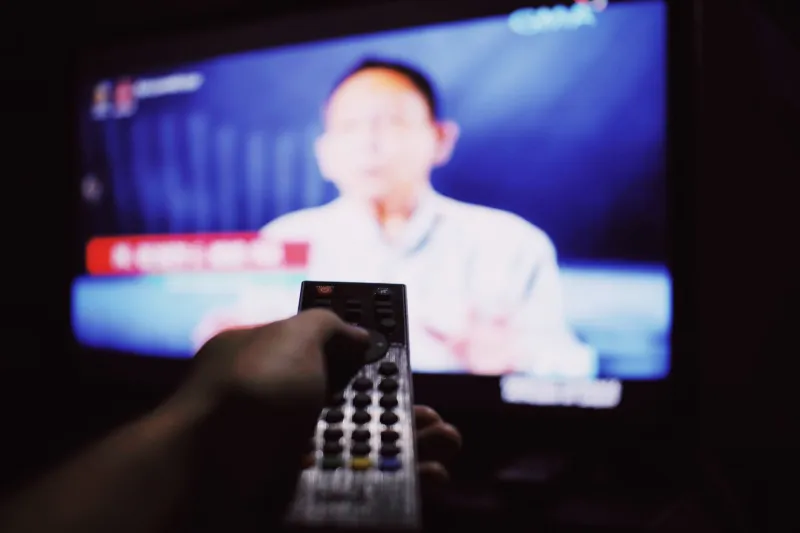
Streaming platforms have noticed. Autoplay queues get more aggressive in the small hours, and recommendation engines seem to loosen up — surfacing deep-catalog content that would never appear during primetime. That obscure 1970s documentary about the Florida pythons? It lives at 2 a.m.
What We're Actually Watching at 3 A.M.
A few distinct genres dominate the overnight feed, and each one says something about the state of the sleepless mind:
- Ambient and ASMR content. Rain on tents, keyboard sounds, fake spaceship cockpits. This is the internet's lullaby section, and its audience skews heavily post-midnight.
- Hyper-specific video essays. Two-hour breakdowns of failed mall chains, unsolved mysteries, and "the rise and fall of" everything. Long-form content thrives overnight because nobody's watching the clock.
- Comfort rewatches. The same sitcom episodes, over and over. Familiarity is a sleep aid, and the algorithm knows it.
- True crime and mystery. The classic rabbit hole. One documentary about a cold case somehow becomes four.
- Oddly satisfying compilations. Hydraulic press videos, restoration clips, endless panning shots of ramen. Low stakes, high dopamine.
The through-line? Almost none of it demands emotional investment. Overnight viewing is content that asks nothing of you, which is exactly what an exhausted brain wants.
The Loneliness Index
Here's the part that's harder to laugh off. Peak overnight search volume doesn't align with when content drops or when new releases hit. It aligns with something else entirely: the hours when people are awake and alone.
Search patterns for terms like "why can't I sleep" and "is it normal to feel lonely at night" spike in the same window as the weirdest entertainment queries. The rabbit hole isn't just boredom — it's company. A narrator's voice in a video essay is, functionally, someone talking to you at 3 a.m., and the platforms have optimized for that without ever saying it out loud.
This is where the neutral data gets a little uncomfortable. Recommendation systems don't need to understand loneliness to exploit it. They just need to recognize the behavioral signature of it — long sessions, low skipping, deep-catalog browsing — and serve more of whatever keeps those sessions going.
How the Algorithm Learned Your 2 A.M. Self
The interesting twist is that your overnight profile and your daytime profile are treated as almost two different users. Watch history, session length, and even the type of device all shift after dark, and modern recommendation engines weigh recency heavily.
That means your 3 a.m. choices actively reshape what you're offered tomorrow. Binge a few deep-sea mystery documentaries at 2 a.m. and your lunch-break feed will mysteriously fill with sonar footage and shipwreck lore. The rabbit hole follows you into the daylight.
Some practical takeaways if you'd like to keep your night self from ghostwriting your recommendations:
- Use a separate profile — or incognito mode — for late-night binges.
- Turn off autoplay before you settle in; the queue is designed to outlast your willpower.
- Set a hard stop. A simple timer beats "one more episode" every time.
The Stream Never Sleeps
NumericStream's whole premise is that everything you watch, search, and stream is connected — and nowhere is that clearer than the overnight hours, when the boundaries between platforms blur and you're not really browsing apps anymore. You're just drifting through content, one click at a time.
The 3 a.m. internet is weird, occasionally comforting, and quietly engineered. Knowing how it works doesn't ruin the magic — it just means the next time you fall down a documentary hole about lighthouse keepers, you'll know exactly who built the slide.