Bring Back the Zap: How Randomized Streaming Modes Are Resurrecting the Lost Art of Channel Flipping

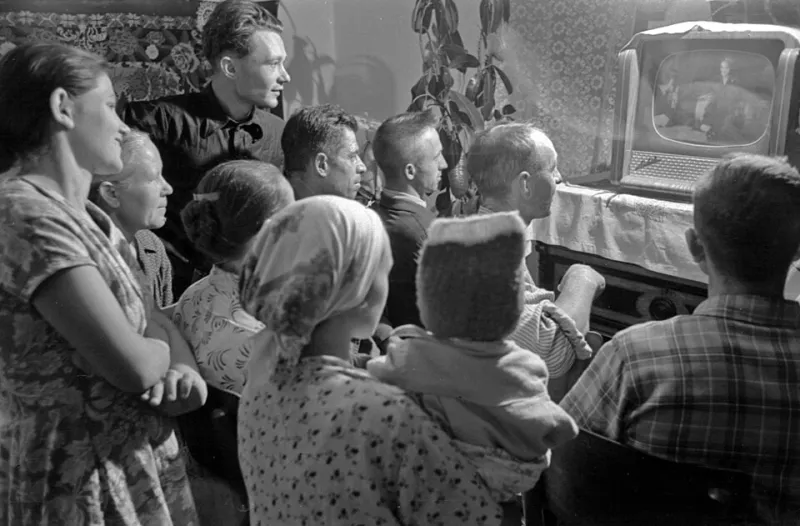
Photo: Shixart1985, CC BY 2.0, via Wikimedia Commons
Let me say the quiet part loud: I do not want to choose tonight.
Nobody does. And yet streaming — the technology that was supposed to set us free — turned every single evening into a hostage negotiation with a menu. Scroll, reject, scroll, reject, open the app, close the app, open a different app. Twenty-five minutes later you're rewatching The Office for the ninth time, not because you wanted to, but because you surrendered.
Cable, for all its flaws, understood something we've forgotten: sometimes the best thing on TV is the thing that was already on.
What We Lost When We Gained Everything
Channel surfing was an activity. It had rhythm. You'd zap past a fishing show, catch nine seconds of a courtroom drama, land on a baseball game in the fifth inning with no context and stay there for two hours anyway.
The flipping itself was entertainment. The remote was a slot machine, and every click was a pull. You weren't searching for something to watch — you were letting television happen to you.
Streaming replaced that with a decision architecture designed by people who are paid to make you stay, not to make you happy. Infinite choice isn't freedom. Infinite choice is a second job.
The Counterrevolution Is Already Here
Here's the good news: the industry is quietly rebuilding the zap.
Platform-native shuffle modes have started appearing across major services — a "play something" button, a surprise-me queue, a lean-back mode that just starts the thing. It's small, but it's a philosophical crack in the wall: an admission that the algorithm's real job isn't recommending, it's deciding.
Randomized hubs and aggregators go further. These one-stop dashboards — the kind of single-address portals that pull your services into one feed — increasingly include a shuffle feature that reaches across everything you subscribe to and lands on something at random. One press, one result, zero negotiation. It's the closest thing to analog channel-surfing the internet has produced, and honestly, it rules.
Live-style channels are the third wave. Several platforms now offer always-on, scheduled, linear feeds — themed channels that just play, 24/7, no remote required. It's cable with better content and no set-top box. Your grandfather would recognize it immediately, and that's the point.
The Tools Worth Trying
If you want to recreate the zap tonight, here's the short list:
- The shuffle button, wherever it exists. It's usually buried, but it's there. Find it once, bookmark it.
- An aggregator hub. Pull all your services into one place — a single numeric-style address or app — and use its randomized play feature. The friction of app-hopping is half of what kills the mood.
- Linear channels. Fire up a 24/7 themed feed, put the remote down, and let the schedule do the thinking.
- The dice method. Low-tech but effective: number your watchlist, roll a physical die, watch whatever comes up. My household's longest-running tradition.
The Case for Letting Go
There's a deeper argument here, and I'll make it: decision fatigue is the real subscription cost. Not the $15.99 — the mental invoice you pay every night at 8 p.m.
The shuffle mode isn't a gimmick. It's a return to a healthier relationship with television, one where the show starts and you just... watch. Where serendipity gets a fighting chance against the recommendation engine. Where you might stumble onto a documentary about competitive cheese rolling and love it, because you never would have chosen it.
Channel surfing didn't die. It just went into hiding, waiting for the technology to catch back up to 1994. Welcome back, old friend. The remote can stay on the table.