Six Digits to Rule Them All: How Numeric Logins Are Coming for Your Passwords
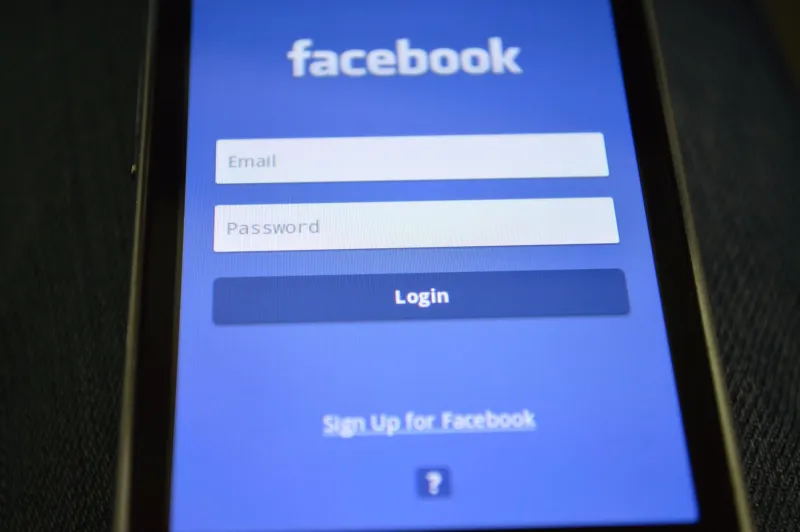
Let's be honest. Nobody enjoys managing passwords. The average American juggles somewhere between 70 and 100 of them — a chaotic mix of capital letters, special characters, and numbers you half-remember from a 2019 Netflix account you barely use anymore. It's a system held together with browser autofill and a whole lot of hope.
Something's gotta give. And quietly, across the streaming and tech landscape, it already is.
The Password Problem Nobody Wants to Admit
Data breach after data breach, the message is the same: passwords are broken. They're either too simple to be secure or too complex to actually remember. A 2023 report from NordPass found that "123456" still ranked as one of the most commonly used passwords in the US. That's not laziness — that's a system failing its users so badly they've stopped trying.
Streaming platforms have felt this pain acutely. Churn rates spike when users get locked out of accounts. Customer support queues fill with password reset requests. Friction at login is friction at revenue. So the industry started experimenting.
What they landed on, more and more, is deceptively simple: numbers.
Enter the Numeric-First Authentication Era
You've already seen this in action, even if you didn't clock it. When you open your Netflix app on a new TV and it spits out a six-digit code to type on your phone — that's numeric authentication doing the heavy lifting. When your bank texts you a one-time PIN to verify a login, same idea. When Disney+ prompts you with a short numeric code to link a device, it's the same philosophy: a number, a moment, a verified you.
The shift happening now is that these systems are moving from secondary verification tools to primary login methods. Instead of typing a password first and then receiving a numeric code as a backup, some platforms are flipping the model entirely. The number is the login.
Apple, Google, and Microsoft have all been pushing passkey technology — a passwordless standard that, in many implementations, pairs a short numeric PIN with device-level biometrics like Face ID or a fingerprint scan. The PIN itself isn't stored anywhere hackable. It's a local unlock key for a cryptographic handshake that happens behind the scenes. Technically elegant. Practically, it just feels like typing four to six digits and getting in.
Why Streaming Platforms Are Leading the Charge
Here's the thing about entertainment apps: they live and die by ease of access. If you have to dig through your brain for a forgotten password at 9 PM when you just want to watch something, there's a real chance you bail on the platform entirely — or worse, you stay but resent the experience.
Roku, Amazon Fire, and Apple TV have all built device ecosystems where numeric codes and PIN-based access are already deeply embedded. The living room TV experience essentially demands it — nobody wants to type a 14-character password with a remote control.
Platforms are also quietly using numeric identifiers to unify accounts across devices. Your profile isn't tied to an email and password combo anymore in many systems — it's tied to a device ID, a biometric, and sometimes just a short numeric code that refreshes periodically. The email is becoming a formality. The number is becoming the identity.
The Privacy Trade-Off Nobody's Talking About Loudly Enough
Before you get too comfortable with the idea of a frictionless numeric future, there's a real conversation to have about what you're trading away.
Biometric-backed PINs are convenient because they tie authentication to you — your face, your fingerprint, your device. But that also means the system knows an awful lot about where you are, what device you're using, and when you're logging in. Streaming platforms already collect behavioral data at a granular level. Layering in biometric-adjacent authentication data adds another dimension to that profile.
There's also the question of what happens when the system gets it wrong. Passwords, annoying as they are, can be changed. A face scan or fingerprint is a little harder to rotate. And while most implementations store biometric data locally on-device rather than on company servers, "most" isn't "all," and the fine print in privacy policies doesn't always make that distinction crystal clear.
For US consumers, who've watched high-profile data breaches hit everyone from Equifax to major healthcare networks, the idea of biometric data in the wrong hands is legitimately unsettling. The convenience is real. So is the risk.
What 2026 Actually Looks Like
Industry analysts aren't predicting a hard cutover where passwords vanish overnight. What's more likely — and what's already unfolding — is a gradual marginalization. Passwords become the fallback option, the thing you use when everything else fails, rather than the primary gate.
For the average streaming subscriber, the day-to-day experience probably shifts toward something like this: you open an app, your phone or TV recognizes your device, prompts a quick biometric check or a short PIN entry, and you're in. No typing. No remembering. No resetting.
For platforms, this is also a data opportunity. Numeric-based authentication systems generate cleaner signals about user behavior — when someone logs in, from which device, in which location. That data feeds recommendation engines, security monitoring, and eventually, marketing. The number that logs you in is also quietly feeding the algorithm that decides what you watch next.
Should You Actually Want This?
Honestly? For most people, the trade-off tilts toward yes. Password fatigue is real, security breach risk under the current system is real, and the friction of traditional logins is costing everyone time and patience. A well-implemented numeric PIN with biometric backup is, by most security metrics, more secure than the reused, predictable passwords the majority of Americans are currently using.
The key word there is well-implemented. Not all numeric auth systems are built equally, and as adoption accelerates, the gap between platforms doing it right and platforms cutting corners will matter.
At NumericStream, we're watching this shift closely — because a world where your entire digital entertainment ecosystem is accessed through a clean, numeric identifier isn't some distant sci-fi premise. It's basically already here. The question is just how fast the rest of the industry catches up, and whether the privacy guardrails keep pace with the convenience.
Six digits. That might genuinely be all it takes.